How AI is Transforming Software Engineering in 2026
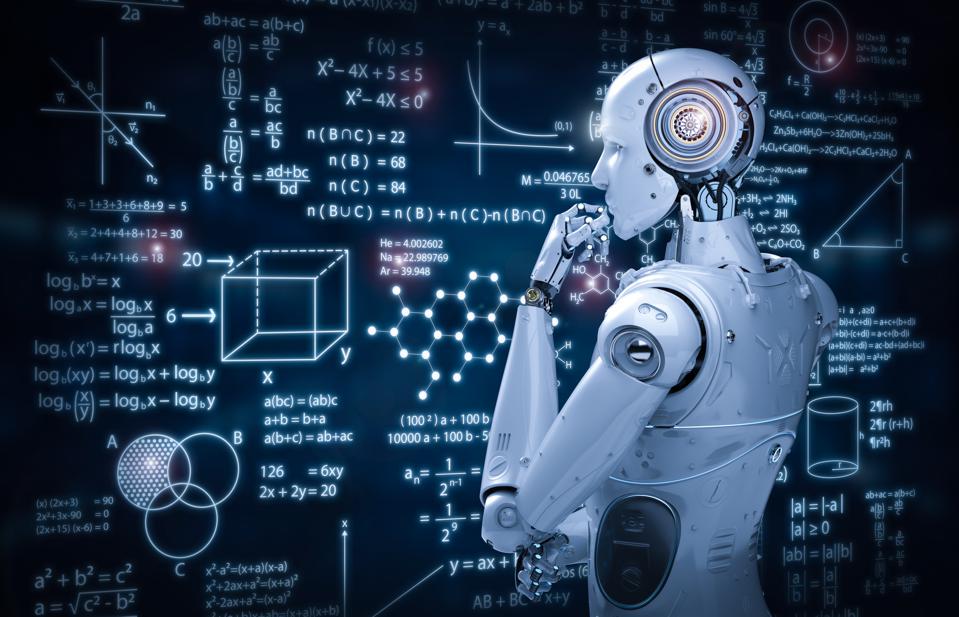
The AI Revolution in Software Engineering
We're living through a fundamental shift in how software is built. AI isn't just a buzzword anymore — it's a daily companion for millions of developers. But what does this mean practically? Let's cut through the hype and look at real impact.
Where AI Actually Helps
1. Code Generation & Completion
The most visible impact. Tools like GitHub Copilot, Cursor, and Claude have moved beyond simple autocomplete into genuine pair programming territory.
# AI excels at boilerplate and patterns
# Give it a clear function signature and docstring...

def calculate_compound_interest(
    principal: float,
    annual_rate: float,
    years: int,
    compounds_per_year: int = 12
) -> float:
    """
    Calculate compound interest.

    Args:
        principal: Initial investment amount
        annual_rate: Annual interest rate (e.g., 0.05 for 5%)
        years: Number of years
        compounds_per_year: Number of times interest compounds per year

    Returns:
        Final amount after compound interest
    """
    return principal * (1 + annual_rate / compounds_per_year) ** (compounds_per_year * years)
2. Code Review & Bug Detection
AI can spot patterns humans miss — especially in large codebases:
- Race conditions in concurrent code
- SQL injection vulnerabilities
- Memory leaks in resource management
- Inconsistent error handling patterns
3. Documentation & Explanation
One of the most underrated use cases. AI can:
- Generate API documentation from code
- Explain complex legacy code
- Write clear commit messages
- Create architectural decision records (ADRs)
Where AI Falls Short
Complex Architecture Decisions
AI can suggest patterns, but it can't understand your organization's unique constraints:
- Team expertise and preferences
- Legacy system integration requirements
- Business domain nuances
- Regulatory and compliance needs
Novel Problem Solving
When you're building something truly new, AI models are limited by their training data. They excel at applying known patterns, not inventing new ones.
Security-Critical Code
While AI can help identify common vulnerabilities, it can also introduce subtle security issues. Always have human review for authentication, authorization, and cryptographic code.
A Practical AI Workflow
Here's how I use AI effectively in my daily workflow:
Morning: Planning & Architecture
1. Describe the problem in plain English
2. Ask AI for 3 different approaches
3. Evaluate trade-offs myself
4. Choose and document the decision
Development: Code with AI Assist
1. Write the function signature and types first
2. Let AI generate the implementation
3. Review, test, and refine
4. Write edge case tests manually
Evening: Review & Document
1. Use AI to review the day's changes
2. Generate documentation updates
3. Write clear PR descriptions
4. Plan tomorrow's tasks
The Human Edge
Despite all the AI advances, certain skills become more valuable:
- System thinking: Understanding how pieces fit together
- Domain expertise: Knowing the business deeply
- Communication: Explaining technical concepts clearly
- Judgment: Knowing when to use (and not use) AI
- Creativity: Designing elegant solutions to novel problems
What's Coming Next
The trajectory is clear:
- AI Agents: Autonomous systems that can plan and execute multi-step tasks
- Automated Testing: AI that generates comprehensive test suites
- Architecture Assistants: Tools that understand your entire codebase context
- Personalized Learning: AI tutors that adapt to your skill level
Conclusion
AI is a force multiplier for software engineers. It won't replace good engineers — but engineers who use AI effectively will outperform those who don't.
The key is to lean into AI for the mechanical parts of development while doubling down on the uniquely human skills that matter most: critical thinking, empathy, and creativity.
Embrace the tools. Stay curious. Keep building.